
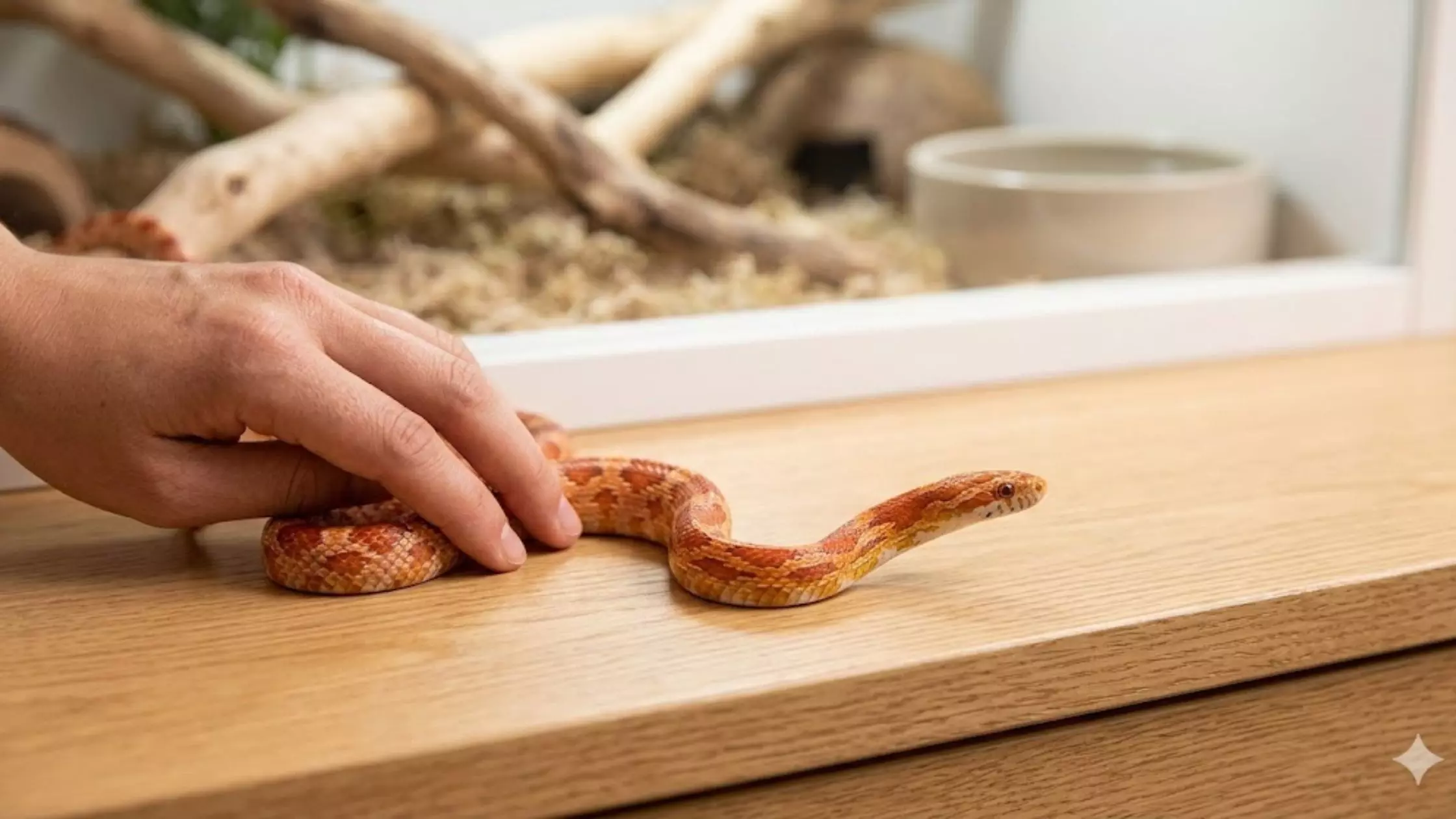

Keeping a pet snake isn’t complicated, but it does demand precision. Unlike traditional pets, snakes rely entirely on their environment to survive. Temperature control, enclosure setup, feeding discipline, and hygiene all decide whether your snake stays healthy or develops stress-related issues.
Most beginners assume reptile care is low effort, but that mindset usually leads to problems like poor shedding, refusal to eat, or respiratory infections. The good news is this: once you understand the core system behind pet snake care, everything becomes predictable and manageable.
This guide breaks it all down in a practical way so you can confidently care for your snake without guesswork.
Understanding Pet Snake Care Basics
At its core, pet snake care revolves around environmental control. Snakes are ectothermic (cold-blooded), meaning they depend on external heat sources to regulate body functions.
Here’s what actually matters:
- Stable temperature gradients inside the enclosure
- Proper humidity levels based on species
- A consistent feeding routine
- A stress-free habitat with secure hiding spaces
Without these fundamentals, even a healthy snake can quickly develop issues like poor digestion or weakened immunity.
Another important factor is minimal stress handling. Snakes are not social animals. They tolerate interaction but do not seek it. Overhandling is one of the most common beginner mistakes.
Easiest Pet Snake to Care For (Beginner Choice)
If you are new to reptiles, choosing the right species makes everything easier.
The most recommended option is the corn snake. In fact, “corn snake pet care” is often the first topic beginners search because of how forgiving this species is.
Why corn snakes are beginner-friendly:
- Adapt well to captivity
- Eat frozen-thawed rodents without issues
- Handle moderate humidity levels easily
- Rarely show aggressive behavior
Other beginner-friendly species include:
- Ball Python (calm but humidity-sensitive)
- California Kingsnake (active and strong feeder)
Among all options, corn snakes remain the most stable choice for first-time owners looking for predictable behavior and simple husbandry.
Proper Snake Habitat Setup (Enclosure Design)
A correctly built enclosure is the foundation of successful reptile keeping.
1. Enclosure Size and Layout
The enclosure should allow full body extension. Juveniles can start small, but adults require larger tanks or PVC reptile enclosures.
2. Thermal Gradient System
Snakes require a warm side and a cool side inside the habitat. This temperature gradient allows them to self-regulate metabolism and digestion.
Common heating tools:
- Heat mats
- Ceramic heat emitters
- Thermostats (critical for safety control)
3. Humidity Management
Humidity varies by species:
- Corn snakes: moderate humidity
- Tropical species: higher humidity levels
Incorrect humidity leads to shedding complications (dysecdysis), which is one of the most common reptile care issues.
4. Security and Comfort
Always include:
- At least two hiding spots
- Stable water dish
- Escape-proof enclosure lid
A secure snake is a healthy snake.
Feeding Routine and Nutrition Plan
Feeding is one of the most structured parts of reptile care.
Most captive snakes eat frozen-thawed rodents, which are safer than live prey.
Feeding schedule:
- Juvenile snakes: every 5–7 days
- Adult snakes: every 10–14 days
Key feeding rules:
- Prey size should match the snake’s body width
- Never handle immediately after feeding (wait 24–48 hours)
- Avoid overfeeding to prevent obesity
A proper feeding cycle supports digestion efficiency and stable growth patterns.
Handling and Behavioral Care
Snake behavior is often misunderstood.
They don’t form emotional bonds, but they do recognize routine and reduce defensive responses over time.
Safe handling practices:
- Start with short sessions
- Support the full body during handling
- Avoid sudden movements
- Never handle during shedding or post-feeding periods
Stress indicators include refusal to eat, frequent hiding, or defensive strikes. These are usually environmental signals—not personality traits.
Common Health Issues in Pet Snakes
Most health problems are linked to husbandry mistakes rather than genetics.
Common conditions:
- Respiratory infections (temperature imbalance)
- Shedding problems (humidity issues)
- Mouth rot (poor hygiene or stress)
- External/internal parasites
Warning signs:
- Wheezing or open-mouth breathing
- Patchy shedding
- Loss of appetite
- Lethargy
Early detection is critical. Always consult an exotic animal veterinarian if symptoms persist.
Cleaning and Enclosure Maintenance
Clean environments prevent 80% of common snake health issues.
Maintenance routine:
- Spot clean waste daily when possible
- Full enclosure cleaning every 3–4 weeks
- Weekly water bowl sanitization
Avoid harsh chemicals. Use reptile-safe disinfectants to prevent irritation or toxicity.
Travel Requirements and Health Certificate for Pet Travel
If you plan to relocate or travel internationally with your snake, documentation becomes important.
A health certificate for pet travel is often required by airlines or border authorities. It confirms the snake is disease-free and safe for transport.
Before traveling:
- Check airline reptile transport policies
- Visit a qualified vet for certification
- Ensure enclosure meets travel safety standards
Rules vary by country, so early preparation avoids last-minute issues.
FAQ:
What is the easiest pet snake for beginners?
Corn snakes are widely considered the easiest due to simple feeding habits and stable care requirements.
How often should I feed a pet snake?
Juveniles every 5–7 days, adults every 10–14 days depending on size and species.
Do snakes recognize their owners?
They don’t form emotional bonds, but they do learn handling patterns and reduce stress with routine interaction.
What temperature should a snake enclosure have?
Warm side: 85–90°F
Cool side: 75–80°F
Can I travel internationally with a pet snake?
Yes, but you will need a valid Health Certificate for Pet Travel and must follow airline regulations.
Conclusion
Proper snake care is not about complexity it’s about consistency. Once temperature, humidity, feeding, and enclosure setup are aligned, everything becomes stable and predictable.
If you’re starting out, focus on beginner-friendly species like corn snakes and build a controlled environment first. That single decision reduces 90% of common reptile care problems.