
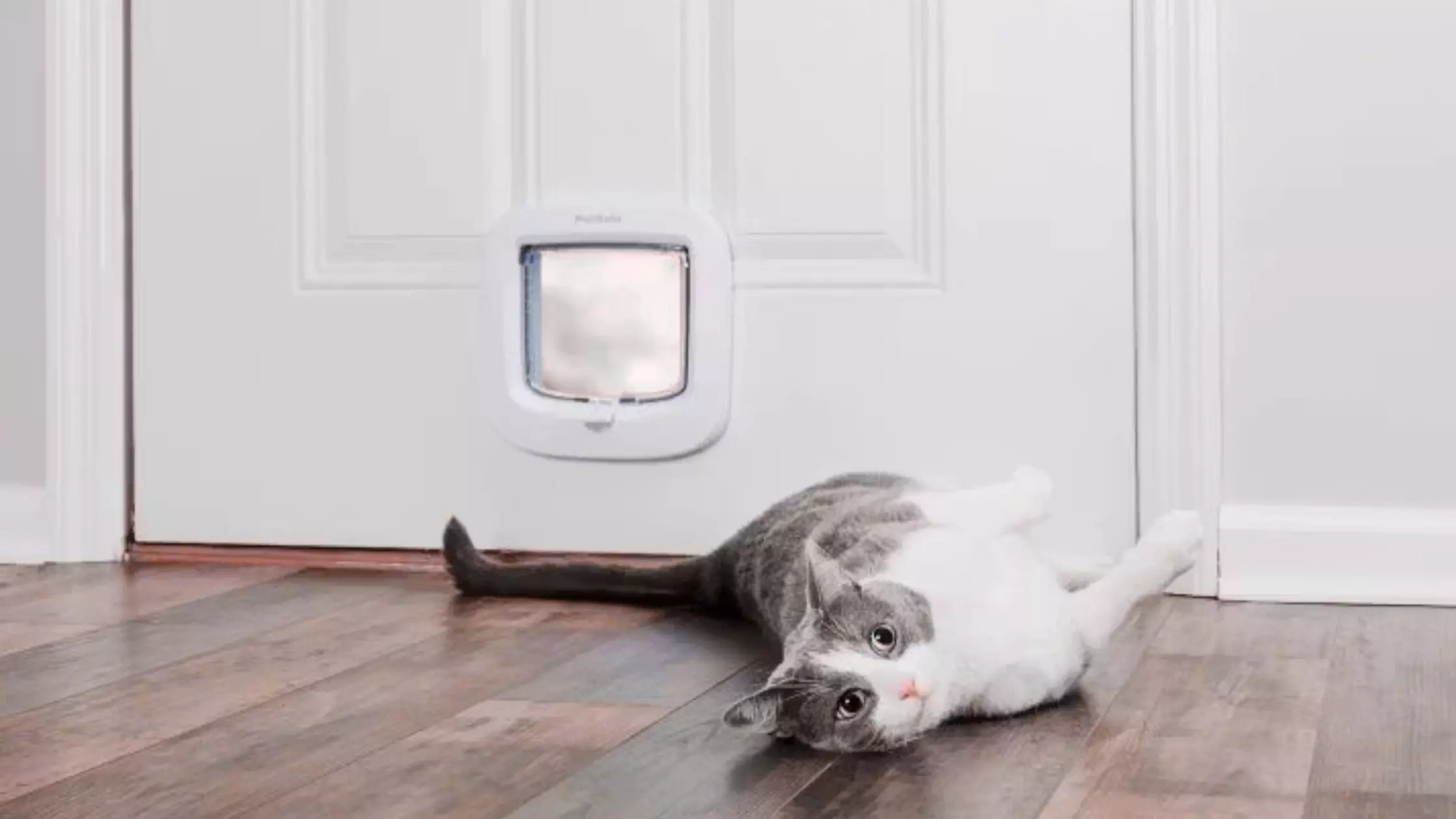

Cats are naturally curious, but that doesn’t mean they’ll instantly accept a pet door. Many cats hesitate when faced with a moving flap, unfamiliar sounds, or a new route in and out of the house. Without proper guidance, they may avoid the door altogether.
The good news is that successful pet training can help your cat learn to use a pet door confidently and safely. With patience, positive reinforcement, and a step-by-step approach, most cats can master a pet door within days or weeks.
Why Train Your Cat to Use a Pet Door?
Teaching your cat to use a pet door offers benefits for both pets and owners.
Benefits for Cats
- Greater independence
- Easy access to outdoor spaces
- Increased physical activity
- Reduced frustration from waiting at doors
Benefits for Pet Owners
- Less interruption throughout the day
- Greater convenience
- Improved pet routines
- Reduced scratching at doors and windows
Whether your cat enjoys supervised outdoor time or moves between rooms, a pet door can make daily life easier.
Choosing the Right Pet Door
Before beginning pet training, select a door that suits your cat’s needs.
| Pet Door Type | Benefits | Best For |
|---|---|---|
| Manual Pet Door | Affordable and simple | First-time users |
| Magnetic Pet Door | Prevents flap movement from wind | Outdoor access |
| Microchip Pet Door | Allows only authorized pets | Multi-pet households |
Microchip pet doors are especially useful for preventing neighborhood animals from entering your home.
What You’ll Need for Training
Preparation plays a major role in successful pet training.
Gather the following:
- Small, high-value treats
- Favorite toys
- Clicker (optional)
- Quiet environment
- Patience and consistency
Keep training sessions short, ideally between 5 and 10 minutes.
Step-by-Step Guide to Training a Cat to Use a Pet Door
Step 1: Introduce the Pet Door
Allow your cat to inspect the door without pressure.
Let them sniff the frame, examine the flap, and become familiar with its appearance.
Reward curiosity with treats and praise.
Step 2: Hold the Flap Open
Many cats fear the moving flap more than the opening itself.
Secure the flap in an open position and encourage your cat to walk through the doorway.
Place treats on the opposite side to create motivation.
Step 3: Use Positive Reinforcement
Reward every successful attempt.
Offer treats immediately after your cat moves through the opening.
Positive experiences help create confidence and trust.
Step 4: Encourage Partial Movement
If your cat hesitates, reward small successes.
Examples include:
- Putting their head through
- Reaching one paw through
- Looking through the opening
Gradual progress is often more effective than forcing complete movement.
Step 5: Introduce the Flap
Once your cat comfortably walks through the open doorway, lower the flap slightly.
Allow them to push against it gently.
Continue rewarding successful attempts.
Step 6: Practice Both Directions
Many cats learn one direction first.
Practice entering and exiting separately until both actions become natural.
Consistency is critical during this phase of pet training.
Step 7: Build Confidence Through Repetition
Repeat training daily.
Over time, your cat will associate the pet door with rewards and freedom.
Eventually, they will use it independently.
Common Problems and Solutions
My Cat Is Afraid of the Flap
The flap may make noise or feel strange against their body.
Solution:
- Keep the flap partially open initially.
- Use treats frequently.
- Allow gradual exposure.
My Cat Refuses to Go Through
Some cats simply need more time.
Solution:
- Increase reward value.
- Reduce distractions.
- Shorten training sessions.
My Cat Uses the Door Only One Way
This is common.
Solution:
Practice entering and exiting separately until both become routine.
Multiple Cats Create Distractions
Train each cat individually before group practice.
This helps prevent confusion and competition.
Safety Tips for Pet Door Training
Safety should always remain a priority.
Monitor Early Usage
Observe your cat during the first few days of independent use.
Consider Outdoor Risks
Check for:
- Busy roads
- Aggressive animals
- Toxic plants
Secure Your Home
A microchip-enabled door offers the highest level of security.
Prepare for Weather Conditions
Rain, strong winds, and extreme temperatures can affect your cat’s willingness to use the door.
How Long Does It Take to Train a Cat?
Every cat learns differently.
| Cat Type | Typical Training Time |
|---|---|
| Kitten | 1–3 Days |
| Adult Cat | 1–2 Weeks |
| Shy Cat | 2–4 Weeks |
| Rescue Cat | Several Weeks |
Consistency matters more than speed.
Avoid rushing the process.
Advanced Pet Training Techniques
Some cats need extra encouragement.
Clicker Training
Clicker training creates a clear connection between desired behavior and rewards.
Target Training
Use a target stick or treat to guide your cat through the opening.
Desensitization
Gradually expose your cat to the flap’s movement and sound.
This approach is particularly effective for nervous cats.
Lessons for Groomers and Boarding Facilities
The same principles used in pet training apply to many pet-related businesses.
A professional involved in training pet groomer programs can use positive reinforcement to help pets feel comfortable during grooming appointments.
Similarly, pet boarding training often focuses on reducing anxiety and building confidence in unfamiliar environments.
The goal remains the same: create positive associations and reward desired behavior.
Pet Training Tools and Accessories
Many pet owners search for products that support behavior training.
Examples include:
- Interactive treat dispensers
- Clickers
- Training targets
- Puzzle toys
You may also encounter products such as dog bag pet training accessories or a pat pet dog training collar. While these tools are designed primarily for dogs, cat owners should always select training equipment specifically intended for feline use.
Using dog-specific tools on cats is generally not recommended without professional guidance.
How Pet Businesses Can Benefit from Training Content
Educational content helps pet businesses build authority and trust.
For companies focused on Pet Biz SEO, publishing detailed pet training guides can:
- Increase organic traffic
- Attract pet owners
- Improve search engine visibility
- Build credibility within the pet industry
Helpful content answers real questions while positioning a business as a trusted resource.
Frequently Asked Questions
Can an older cat learn to use a pet door?
Yes. Older cats may take longer than kittens, but they can learn successfully with patience and positive reinforcement.
What treats work best during training?
Choose highly motivating treats your cat doesn’t receive regularly.
Are microchip pet doors worth it?
For many households, yes. They improve security and prevent unwanted animals from entering.
How many training sessions should I do each day?
Two to three short sessions daily are usually effective.
Should I lock the pet door at night?
Many owners lock pet doors overnight for safety and security reasons.
Can multiple cats share the same pet door?
Yes. Train each cat individually before allowing group use.
What if my cat never uses the pet door?
Some cats require additional time and gradual exposure. Avoid punishment and continue using positive reinforcement.
Final Thoughts
Teaching a cat to use a pet door is one of the most practical pet training skills you can develop. The key is patience, consistency, and rewarding progress at every stage. By introducing the door gradually and creating positive experiences, most cats learn to use a pet door confidently and independently.
Focus on small successes, maintain a calm environment, and allow your cat to progress at their own pace. The result is greater freedom for your pet and greater convenience for you.